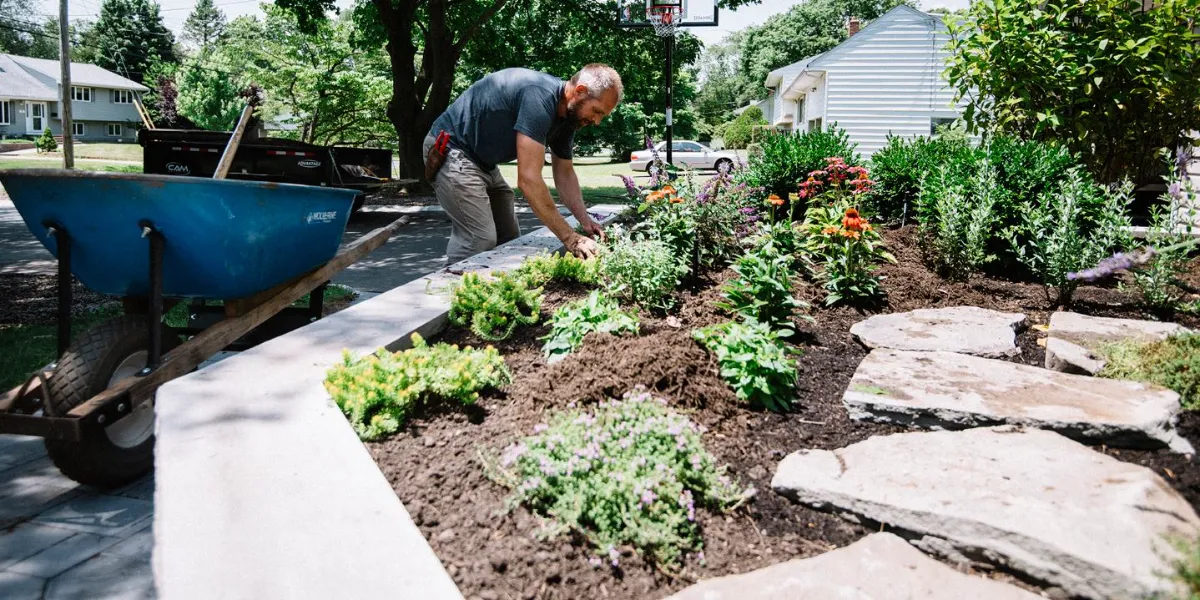
Designing a landscape that performs well in Central New Jersey starts with understanding the conditions your plants need to handle.
At Lewis Natural Landscapes, we bring over 25 years of hands-on experience designing and installing landscapes across Central New Jersey. We focus on plant selections that not only look great, but thrive in local conditions with minimal maintenance.
This guide breaks down how we approach native planting design on real projects.
Understanding Central New Jersey Growing Conditions
Most of Central New Jersey falls within USDA Zones 6b–7a, which means landscapes need to handle:
- Hot, humid summers
- Cold winters with freeze-thaw cycles
- Periods of heavy rainfall and occasional drought
- A mix of soil types, from clay-heavy to well-draining areas
These conditions play a major role in plant performance. Choosing species that are adapted to this environment is one of the biggest factors in long-term success.
Planting for Sun vs. Shade
One of the most important parts of any planting plan is matching plants to sunlight conditions.
Full Sun Areas
These areas receive 6+ hours of direct sunlight and are ideal for:
- Flowering perennials
- Pollinator-friendly plants
- Ornamental grasses
Plants in full sun tend to produce more blooms and require good drainage.
Partial Shade
These areas receive filtered light or a mix of sun and shade throughout the day.
- Many native perennials perform well here
- Ideal for transitional planting zones
- Requires careful plant selection to avoid stress
Full Shade
Typically found along the north side of homes or under mature trees.
- Requires shade-tolerant plants
- Soil conditions and moisture levels become more important
- Planting density and layering help create visual interest
Designing for Dry vs. Wet Areas
Water movement across your property has a major impact on plant health.
Dry Areas
Often found in:
- Sloped yards
- Areas with fast-draining soil
- Sections exposed to full sun
These areas benefit from drought-tolerant and deep-rooted plants.
Wet or Poorly Draining Areas
Common in:
- Low spots in the yard
- Areas near downspouts
- Properties with clay-heavy soil
These areas require moisture-tolerant plants or, in some cases, drainage solutions before planting.
This is where planting design and drainage planning often go hand in hand.
Recommended Plant Categories for Central NJ Landscapes
A successful landscape uses a mix of plant types to create structure, seasonal interest, and long-term balance.
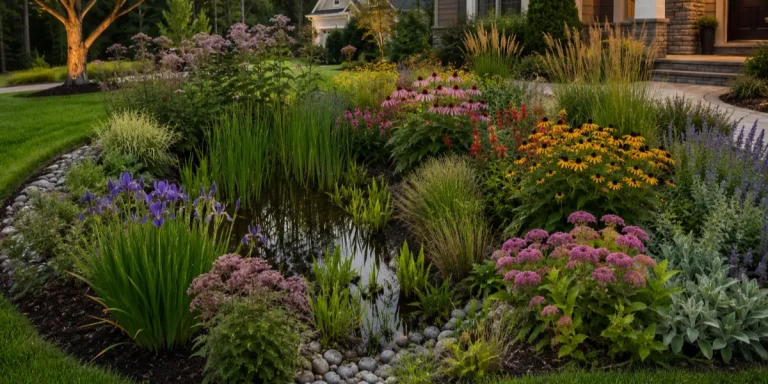
Perennials
Used for seasonal color and pollinator activity:
-
- Coneflower (Echinacea)
- Black-eyed Susan
- Bee Balm
- Yarrow
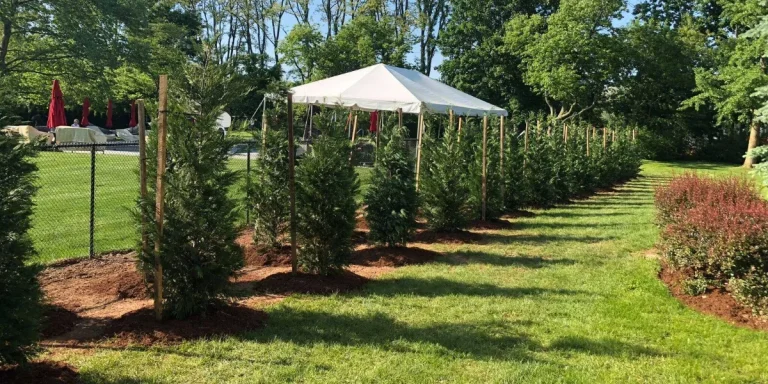
Shrubs
Provide structure, screening, and year-round presence:
-
- Boxwood (for structured layouts)
- Native shrubs suited for NJ conditions
- Foundation plantings around the home
Ornamental Grasses
Add movement, texture, and low-maintenance structure:
-
- Switchgrass
- Other native or adaptive grasses
Designing for Real Central New Jersey Properties
No two properties are the same, even within the same town.
In Central New Jersey, we regularly account for:
-
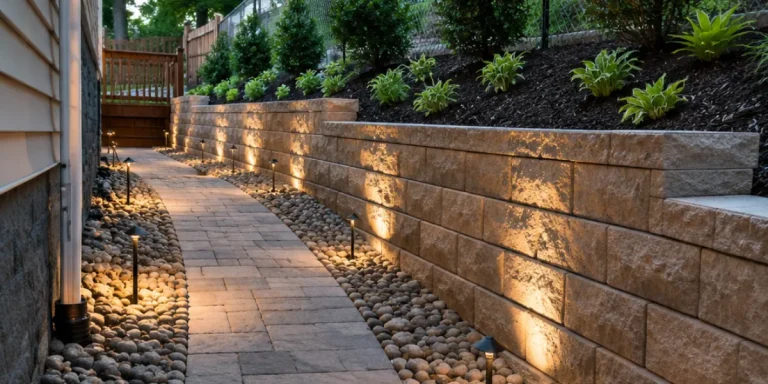
- Sloped front yards and uneven grades
- Clay-heavy soils that hold water
- Established trees that create heavy shade
- Drainage patterns that affect planting areas
That’s why plant selection is never just about appearance, it’s about how everything works together on your specific property.
A Smarter Approach to Native Planting
Native plantings aren’t about making your yard look wild or overgrown. When designed properly, they create clean, organized landscapes that are easier to maintain and perform better over time.
At Lewis Natural Landscapes, we design planting plans that balance structure, seasonal color, and long-term durability, all tailored to your property and how you want to use it.
This is exactly how we approach planting design on real projects across Central New Jersey.
Start Planning Your Landscape
If you're thinking about upgrading your landscape with native or low-maintenance plantings, the first step is understanding your property.
We’ll walk your space, evaluate conditions, and design a planting plan that works with your environment, not against it.