When a Rain Garden Is the Best Solution for Your Soggy Yard in Central New Jersey
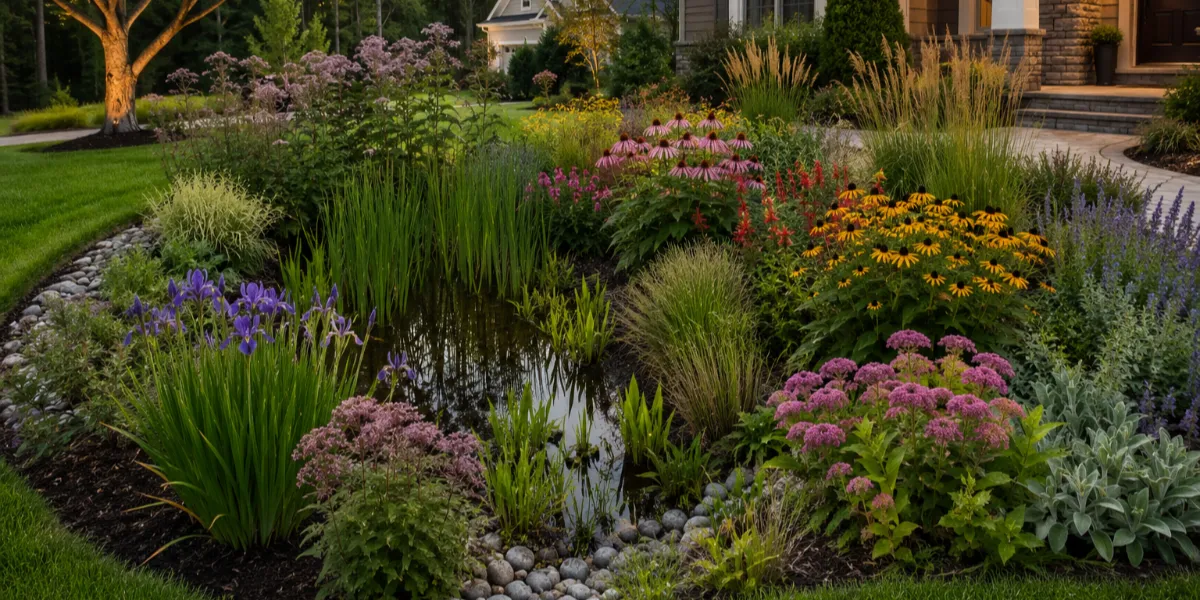
If your yard stays wet after every rainfall, you’re not alone. Across Central New Jersey, many homeowners deal with standing water, soft ground, and areas that are difficult to use.
The challenge is figuring out whether the solution is drainage, grading, or something more natural like a rain garden.
At Lewis Natural Landscapes, we bring over 25 years of hands-on experience solving drainage issues on real properties. In many cases, a properly designed rain garden can be one of the most effective and natural ways to manage excess water.
What Causes a Soggy Yard in the First Place?
Before choosing a solution, it’s important to understand what’s causing the problem.
In Central New Jersey, common issues include:
-
- Clay-heavy soil that drains slowly
- Low spots where water naturally collects
- Runoff from roofs and downspouts
- Sloped yards directing water into one area
- Poor grading or outdated landscape layouts
These conditions cause water to sit instead of soaking into the ground.
What a Rain Garden Actually Does
A rain garden is designed to collect and absorb water in a controlled way.
Instead of trying to push water somewhere else, it:
-
- Captures runoff from surrounding areas
- Slows water down to prevent erosion
- Allows it to gradually soak into the soil
- Uses plants that can handle both wet and dry conditions
When done properly, it turns a problem area into a functional part of your landscape.
When a Rain Garden Is the Right Solution
Rain gardens aren’t for every situation, but they work extremely well under the right conditions.
A rain garden is often the best choice when:
-
- Water collects in a defined low area of your yard
- The issue is moderate pooling, not constant flooding
- You want a natural, planted solution instead of underground piping
- There’s enough space to allow water to spread and absorb
- You’re already planning to upgrade planting beds or landscape design
In these cases, a rain garden can solve the issue while improving the look of your property.
When a Rain Garden Alone Isn’t Enough
Some drainage problems require a more direct approach.
A rain garden may not be enough if:
-
- Water is collecting near your foundation
- The area stays wet for long periods of time
- Soil conditions prevent proper absorption
- There’s heavy runoff from multiple sources
- The slope is causing erosion or fast-moving water
In these situations, additional solutions like French drains, regrading, or retaining structures may be needed.
The Best Results Often Combine Solutions
On many properties, the most effective approach isn’t choosing one system, it’s combining them.
For example:
-
- A French drain can capture excess water
- A rain garden can absorb and manage overflow
- Native plantings can stabilize soil and improve drainage naturally
This creates a balanced system that works with your property instead of fighting it.
Why Design Matters More Than the Solution
One of the biggest mistakes homeowners make is installing a solution without understanding the full picture.
Drainage problems depend on:
-
- How water moves across your property
- Soil type and compaction
- Elevation changes
- Existing landscape layout
Without a proper plan, even a well-installed rain garden can fail.
Best Plants for Rain Gardens in Central New Jersey
Plant selection is what makes a rain garden actually work long-term. These areas need plants that can handle both wet conditions after rain and drier periods in between.
In Central New Jersey (Zone 6b–7a), we focus on native and well-adapted plants that thrive in changing moisture conditions while providing structure and seasonal interest.
Plants for the Lowest, Wettest Areas
These handle standing water and saturated soil after heavy rain:
-
- Joe-Pye Weed – Tall, late-season blooms that attract pollinators
- Blue Flag Iris – Excellent for consistently wet conditions
- Swamp Milkweed – Great for pollinators and moisture tolerance
- Soft Rush – Strong structural plant that handles heavy moisture
Plants for Mid-Slope / Moderate Moisture
These areas stay moist but don’t hold standing water:
-
- Black-eyed Susan – Reliable color and very adaptable
- Echinacea (Coneflower) – Handles moisture swings well
- Bee Balm – Thrives in moist soil and attracts pollinators
- Yarrow – Tough and drought-tolerant once established
Plants for the Outer Edges (Drier Zones)
These transition areas dry out faster and need more adaptable plants:
-
- Little Bluestem – Excellent for structure and erosion control
- Switchgrass – Deep roots help stabilize soil
- Lavender (well-drained areas only) – Adds contrast and texture
- Sedum – Great for dry edges and low maintenance
Why Plant Placement Matters
A successful rain garden isn’t just about the plants, it’s about where they’re placed.
We design rain gardens with:
-
- Wet-tolerant plants in the center
- Flexible, adaptable plants in the middle zones
- Drought-tolerant plants toward the edges
This layered approach allows the garden to handle changing conditions throughout the year while still looking clean and intentional.
Designed to Look Good, Not Overgrown
A common misconception is that rain gardens look wild or messy.
When designed properly, they:
-
- Have defined edges and clean transitions
- Use plant groupings instead of random placement
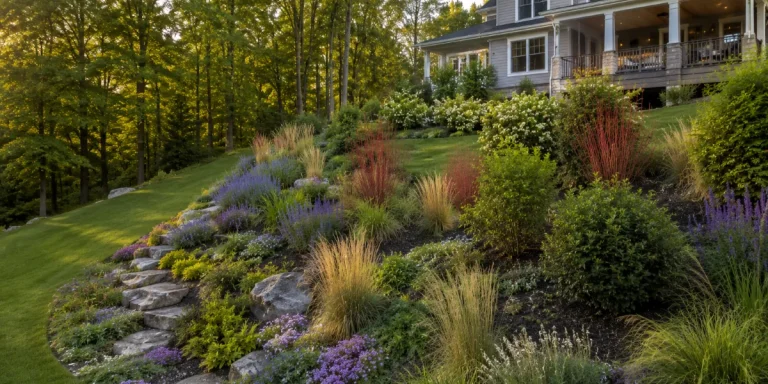
- Provide seasonal color and structure
- Blend naturally with the rest of your landscape
The result is a drainage solution that also improves the overall appearance of your yard.
A Smarter Approach to Fixing Soggy Yards
At Lewis Natural Landscapes, we approach every drainage issue by first understanding the property.
We design solutions that may include:
-
- Rain gardens
- Drainage systems
- Grading adjustments
- Native plantings
The goal is always the same, fix the problem properly and prevent it from coming back.
Start Solving Your Drainage Issues the Right Way
If your yard stays wet after every rain, it’s not something that will fix itself.
The right solution depends on what’s actually happening on your property.
We’ll walk your site, identify the source of the issue, and recommend a solution that fits your layout and long-term goals.
Request a free quote to get started, or schedule a paid consultation if you want a detailed drainage and planting plan you can implement on your own.