What Actually Matters When Planning a Landscape in Central New Jersey
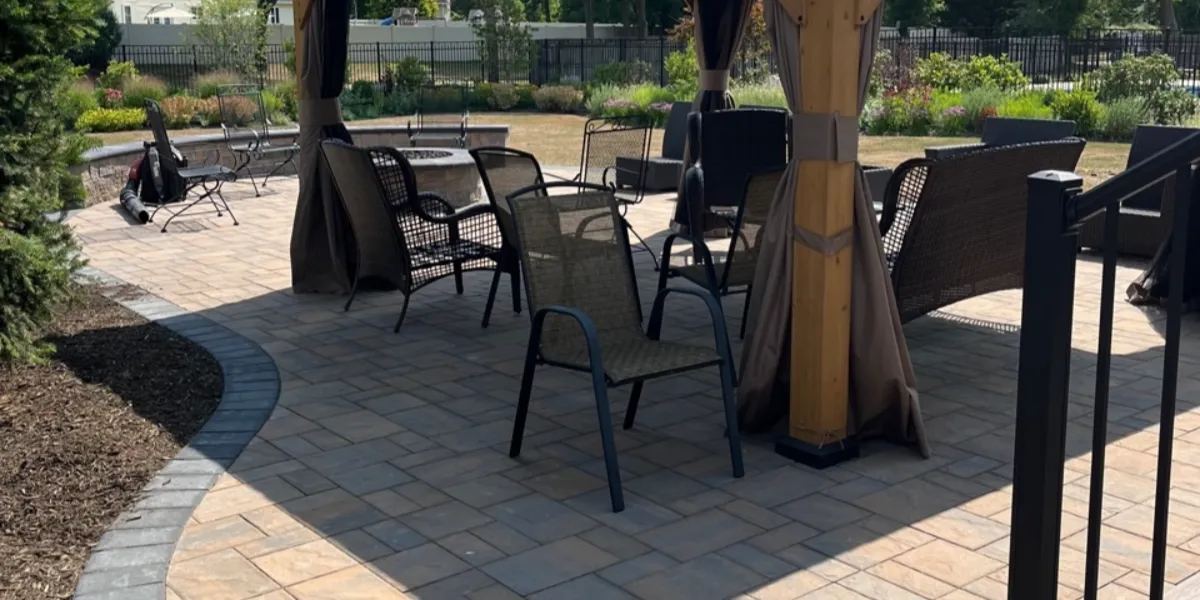
Most homeowners don’t start thinking about their landscape until something feels off. Maybe the front yard looks overgrown, the backyard isn’t being used, or water is starting to collect where it shouldn’t.
In many cases, the issue isn’t just one thing, it’s that the landscape was never planned properly for long-term use.
At Lewis Natural Landscapes, we bring over 25 years of hands-on experience designing and building landscapes across Central New Jersey, including Union County, Somerset County, and Morris County. We regularly work in areas like Westfield, Summit, Basking Ridge, Warren, Chatham, and Bernardsville, where homeowners expect a clean, functional, and well-designed outdoor space.
The difference between a landscape that looks good for a year and one that performs for decades comes down to a few key factors.
Budget: It’s Not Just a Number, It’s the Foundation of the Project
Most people think of budget as a limitation. In reality, it’s what allows a project to be done correctly.
A well-planned budget helps prioritize:
-
- Proper grading and drainage (often the most important step)
- Quality materials that hold up over time
- Plant selections that won’t need constant replacement
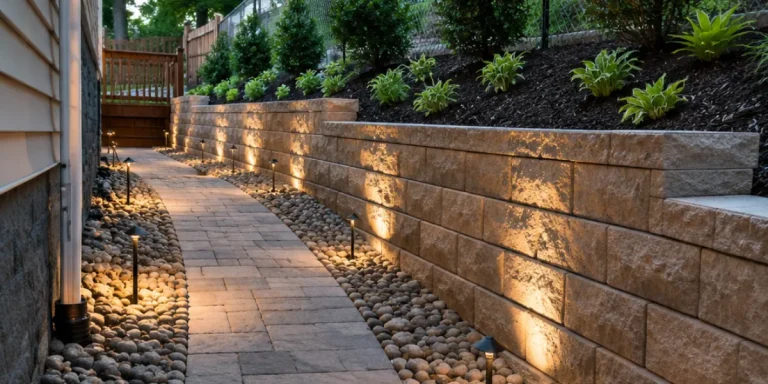
- Structural elements like patios, walkways, and walls
One of the biggest mistakes we see is homeowners spending money on visible upgrades while ignoring what’s happening underneath. If drainage, soil conditions, or layout aren’t addressed first, the rest of the project won’t last.
A smart approach is to phase the work:
-
- Start with infrastructure (grading, drainage, layout)
- Build out plantings and features over time
This leads to better results without compromising the long-term vision.
Design for How You Actually Use Your Space
A landscape should reflect how you live, not just how it looks.
We often see yards that look good on paper but don’t get used because they weren’t designed with real life in mind.
Think about how you want to use your property:
-
- Front yard → curb appeal and first impressions
- Backyard → entertaining, relaxing, or family use
- Side yards → access, drainage, and functionality
For example:
-
- If you host often, you may need a patio and seating area
- If you want low maintenance, large planting beds may not make sense
- If you have kids or pets, durability and open space matter
Good design starts with function, appearance follows.
Maintenance: Be Honest About What You Want to Deal With
Every landscape requires some level of maintenance. The key is designing one that fits your expectations.
Ask yourself:
-
- Do you want something low-maintenance?
- Are you okay with seasonal upkeep?
- Do you want to minimize watering and pruning?
Your answers directly affect:
-
- Plant selection (native vs traditional)
- Amount of lawn vs planting beds
- Use of hardscape vs softscape
- Irrigation needs
For many homeowners in Central NJ, low-maintenance landscapes using native or well-adapted plantings are the best long-term solution. They require less water, fewer inputs, and hold up better through seasonal changes.
The Missing Piece: Drainage and Site Conditions
This is the part most homeowners don’t think about, and where most landscapes fail.
In Central New Jersey, we regularly deal with:
-
- Clay-heavy soils that drain slowly
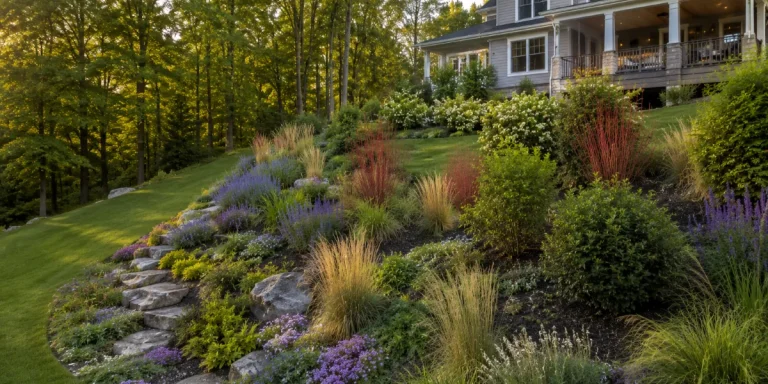
- Sloped properties where water moves toward the home
- Low areas where water collects
- Side yards that stay wet year-round
If these issues aren’t addressed early, they lead to:
-
- Plant failure
- Erosion
- Standing water
- Ongoing maintenance problems
Proper planning should always include:
-
- Understanding how water moves across your property
- Correcting grade where needed
- Installing drainage solutions where necessary
This isn’t the most visible part of the project, but it’s one of the most important.
Why Most Landscapes Fail Over Time
We’re often called in to fix landscapes that were installed just a few years earlier.
The common reasons:
-
- Budget was focused on appearance, not structure
- Layout didn’t match how the homeowner uses the space
- Maintenance requirements were underestimated
- Drainage issues were ignored
These problems don’t show up right away, but over time, they become obvious.
What a Well-Planned Landscape Should Feel Like
When everything is done correctly, the difference is clear.
A properly planned landscape should:
-
- Look clean, balanced, and intentional
- Handle water without pooling or erosion
- Include usable outdoor living space
- Have plants that fit the space long-term
- Be easy to maintain without constant work
It should feel like an extension of your home, not something you’re constantly trying to fix.
A Smarter Approach: Build It in Phases
Not every project needs to happen all at once. Many of the best landscapes are built in phases:
-
- Phase 1: Drainage, grading, and layout
- Phase 2: Hardscape (patios, walkways, walls)
- Phase 3: Plantings and finishing details
This approach allows you to invest over time while still working toward a cohesive final result.
Start With a Plan, Not Just an Idea
A successful landscape doesn’t start with plants or materials, it starts with a plan.
At Lewis Natural Landscapes, we design and build landscapes across Central New Jersey that are tailored to your property, your lifestyle, and your long-term goals.
Whether you’re starting fresh or fixing an existing landscape, the right plan makes all the difference.
Request a free quote to get started, or schedule a paid consultation if you want a detailed, professional plan you can implement on your own.